
We are pleased to share a recently published paper Clinical Practice Changes Reduce Resorbable Plate-Associated Wound Complications in Cranial Vault Reconstructive Surgery: A Single Institution Experience. The paper presents four key changes in surgical practice, which can reduce wound-related complications associated with resorbable plating systems in cranial vault reconstructive surgery. The findings indicate that the changes in surgical practices led to fewer plate-related wound complications and significantly reduced hospital readmissions.
Key surgical practice changes identified in the paper
The retrospective comparative study examined outcomes before and after the introduction of four clinical practice changes intended to reduce wound complications following cranial vault reconstruction in patients with craniosynostosis. The authors report that after the changes were implemented, the overall complication rate was lower and the complication rate requiring readmission was significantly lower.
All procedures in the study were conducted by the same craniofacial surgeon using Inion CPS™ Baby implants. The paper was published in the Journal of Craniofacial Surgery and is authored by Panteli, E. A., Reilly, F. O., Bracken, S., Bowe, A. K., & Murray, D. J. (2026).
The authors identified four key changes in surgical practice that collectively contributed to improved outcomes when using resorbable plating systems:
- Greater consideration of preoperative sterilization of the surgical field, including attention to how much hair is shaved preoperatively
- Double skin preparation in theatre using chlorhexidine and betadine
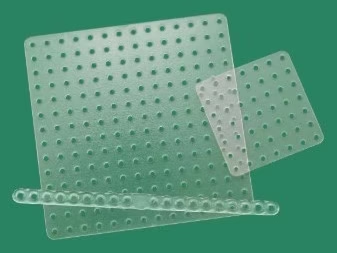
- Using the minimum quantity and size of resorbable plates intraoperatively
- Avoiding plate placement close to the wound closure site
Clinical insights on the topic
One of the authors in the paper, Dr. Dylan Murray, is an experienced craniofacial surgeon with a long clinical background in using resorbable implants in craniomaxillofacial surgery. He has used the Inion CPS™ Baby implants in hundreds of surgeries for over 15 years.
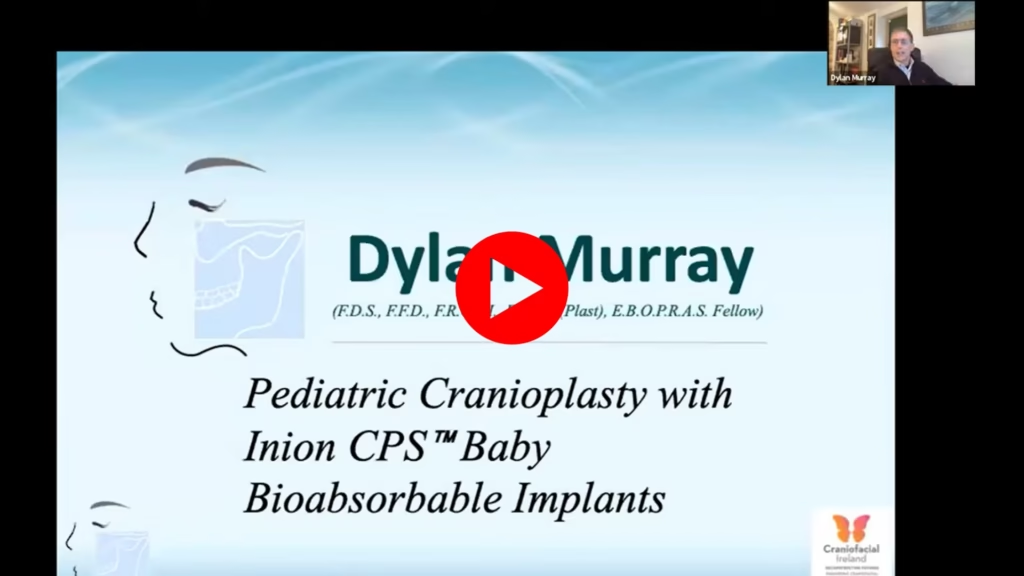
In 2022, we were honoured to have Dr. Dylan Murray as a speaker in our Polku Webinar series. In the webinar, Dr. Murray discusses indications, contraindications, complications, and tips for avoiding complications when using Inion’s bioabsorbable fixation system. In the webinar, Dr. Murray lists the key advantages of bioresorbable fixation from his perspective, including:
- Gradual increase of load transfer
- No implant corrosion
- No implant migration
- No imaging artifact
- Implant failure not significant
You can find the webinar recording on YouTube. Please note that the video is age-restricted on YouTube so you’ll need to be signed in to YouTube to confirm your age.